
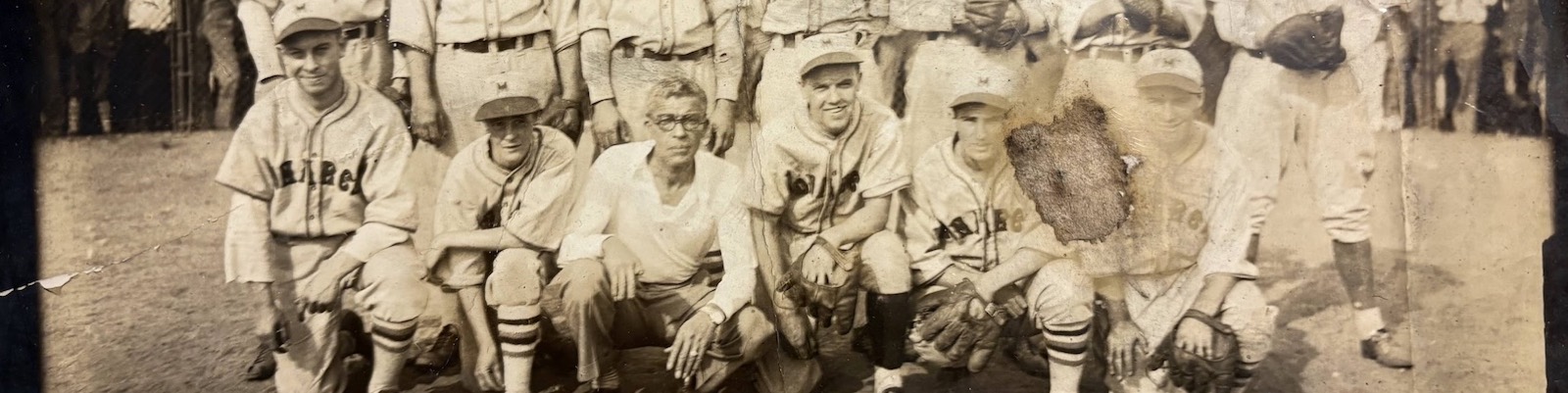
Arthur “Daddy” Black (front row, third from left) with the Providence Monarchs, est. 1931. Image courtesy of the family of Arthur “Daddy” Black.
A research project by DJ Johnson
The Life and Times of Arthur “Daddy” Black
Long before he ruled Jazz Age Providence as a numbers operator, civic figure and baseball magnate, Arthur Black was forged by hardship and service: an infant migration from Charleston, a childhood in the Providence Shelter for Colored Orphans, and two disciplined decades in the U.S. Navy. His story is told here through the newspapers and records that tracked him, from his first appearance in a shelter’s minutes to his murder in 1932.
- Records
- 213
- Newspapers cited
- 25+
- Also drawn from
- Shelter minutes, court dockets, a ship’s log
- Years covered
- 1856 to 1998
Four moments from the record
Each opens straight onto that record in the timeline, where it sits among everything around it.
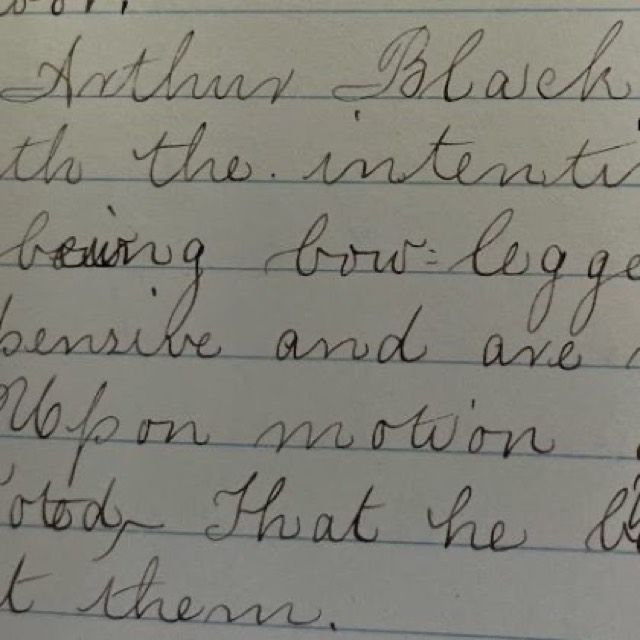
Arthur Black’s leg braces
The shelter’s board votes that the boy may go without the braces meant to cure his bowed legs.
Open in timeline →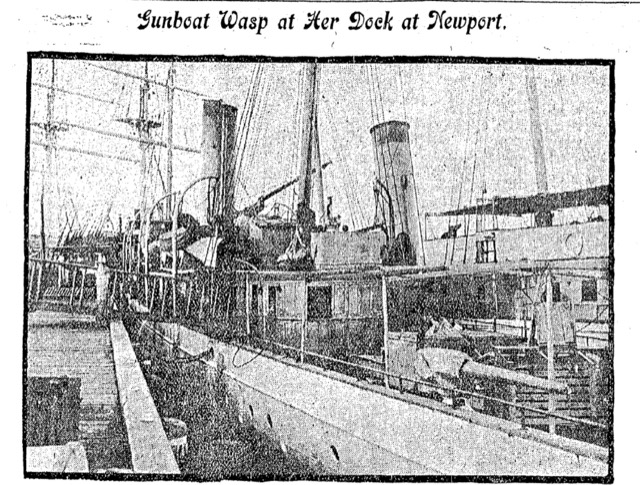
Fought death 32 hours
Black volunteered for the gunboat Wasp’s mercy run and worked her engine room through the gale, helping keep her afloat for 32 hours.
Open in timeline →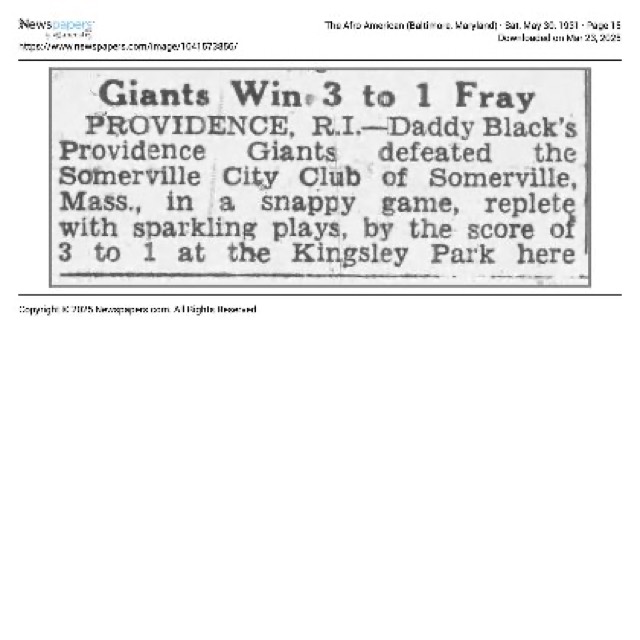
Giants win 3 to 1 fray
Daddy Black’s Providence Giants beat the Somerville City Club at Kingsley Park.
Open in timeline →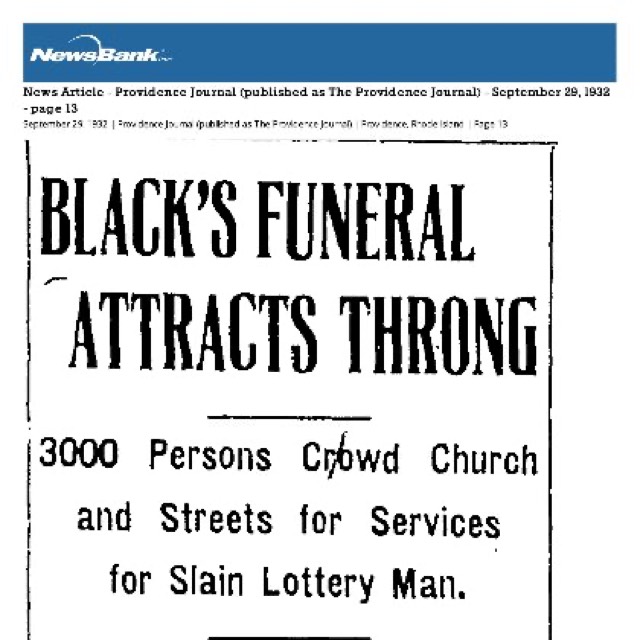
Black’s funeral attracts throng
Three thousand people crowd the church and the streets outside after his killing.
Open in timeline →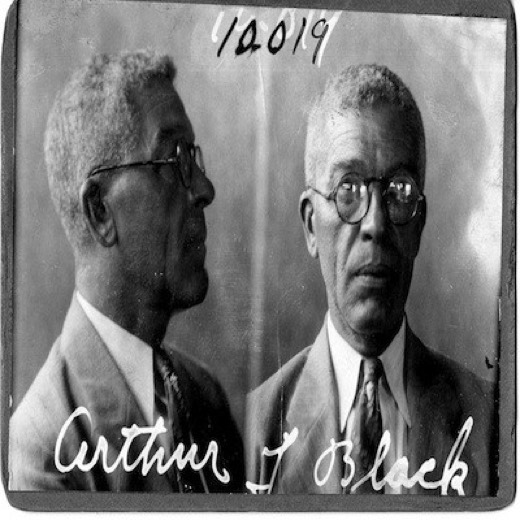
The Daddy Black Project
One life, pieced together from the archive
No biography of Arthur Black exists. This project rebuilds his life from primary sources: shelter minutes from the 1880s, naval records, a commanding officer’s log, court dockets, and reports from more than 25 newspapers, from Providence to Tampa.
Every record in the timeline is transcribed, dated and cited, so historians and descendants can check the source for themselves.
Read about the research →Storyline CMS
The tool behind the timeline
I built Storyline CMS because no existing tool could hold a life like this one: hundreds of dated records, scanned pages, and the wider history happening around them. It is now open to anyone with research of their own.
How it works →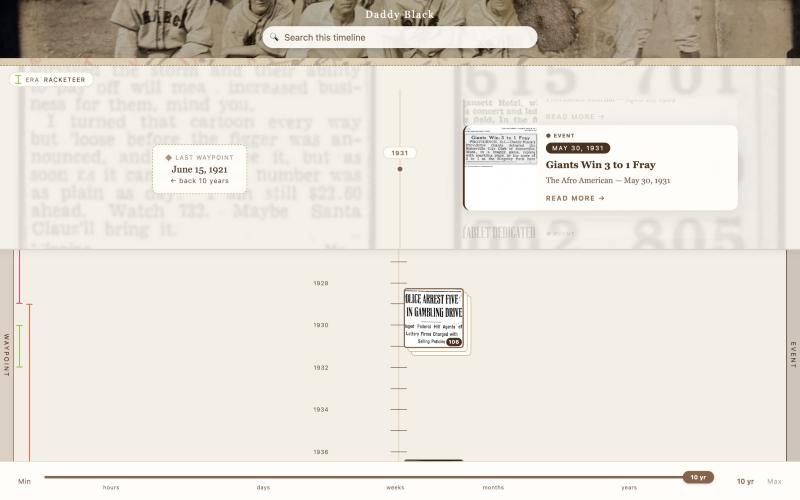

About DJ
DJ Johnson
I spent thirty years designing learning experiences and telling stories with digital tools. Now I put that to work on history: finding the records, reading them closely, and building ways for others to explore what they hold.
More about DJ →Have a source, a correction, or a connection to the Black family?
I’d like to hear from archivists, historians and descendants.
Get in touch